Renter Friendly Gallery Wall: 3 Methods That Won’t Cost You Your Deposit
This post contains affiliate links. If you buy through them, we may earn a small commission at no extra cost to you. We only recommend things we’d put in our own nest. Full disclosure.
Most renter friendly gallery wall advice starts and ends with the same sentence: just use Command strips. We went looking for evidence that this actually works, and found something uncomfortable — 3M’s own guidance is that Command products are for mostly smooth surfaces, and a rental wall very often isn’t one.
That doesn’t mean you can’t have a gallery wall in a rental. It means the standard advice skips the step that decides whether yours stays on the wall — and whether you get your deposit back.
Here’s how we’d build a renter friendly gallery wall properly: three hanging methods ranked by how much wall they cost you, the frames worth buying, and a layout trick that stops you from making holes twice.
Why the usual advice fails in rentals
Adhesive picture strips are genuinely useful — within limits that get lost in the retelling. Reading through verified-buyer reviews across Home Depot, Walmart and Lowe’s, the same three failures repeat:
They fall. Not always, but often enough to be a pattern, and usually days or weeks later rather than immediately. One reviewer used five strips rated to 16 lb for an eight-pound picture; it came down after five days and took the glass with it.
When they fall, they take paint. Several renters described exactly the outcome they were trying to avoid — peeled paint, and in a few cases the drywall paper underneath. A failed adhesive strip is a bigger repair than the nail hole it replaced.
The surface is usually the reason. 3M’s own Command FAQs list what the products are for — “painted, stained or varnished wood, glass, tile, painted cinder block, metal, and painted wallboard” — and answer a flat no to both brick (“intended for mostly smooth surfaces”) and wallpaper (“most wallpapers are too delicate and can tear”).
What 3M does not publish is a line about orange-peel or knockdown texture. That’s our read rather than their wording — but it follows directly from the reason they give for brick: the adhesive needs flat contact, and a bumpy wall doesn’t offer it. Rental apartments are full of exactly that texture, plus thin builder-grade paint.
One more from the same page that matters in a rental you’ve just moved into: 3M asks you to let fresh paint cure for a week before sticking anything to it. A freshly repainted turnover apartment is the worst possible surface to test a strip on.
So the first question for any renter friendly gallery wall isn’t which frames. It’s: run your palm across the wall. If it’s noticeably bumpy, adhesive is already off the table, and the honest options are a ledge or small nails.
| Method | Holes in the wall | Best for | Cost to repair |
|---|---|---|---|
| Picture ledge | 2 per ledge, regardless of frame count | Renters who want to rearrange | One patch per hole |
| Small nails or pins | 1–2 per frame | Textured walls, heavier frames | Spackle, ~10 minutes |
| Adhesive strips | None | Smooth walls, light frames only | None — if they hold |
Method 1: The picture ledge (our default recommendation)
A picture ledge is a narrow shelf with a lip; frames lean against the wall instead of hanging from it. It is the single best answer to the renter’s version of this problem, for one reason that becomes obvious the moment you do the arithmetic.
A seven-frame gallery wall hung traditionally means roughly fourteen holes, each one placed correctly on the first attempt. Two ledges means four holes total — and the frames on top can be swapped, layered and rearranged forever without touching the wall again.
It also removes the part of gallery walls that makes renters freeze: the permanence. You commit to the shelf, not to every frame’s position. Change your mind in March and it costs you eight seconds, not eight hours of spackling and touch-up paint.
Cheaper ledges exist — flat-pack and big-box stores sell short ones for a few dollars — and we would rather say so than pretend the budget option isn’t there. Brand matters less here than two measurements: the lip depth, because a shallow one lets frames slide forward, and the length, because a ledge that stops short of the sofa’s width looks like a mistake.
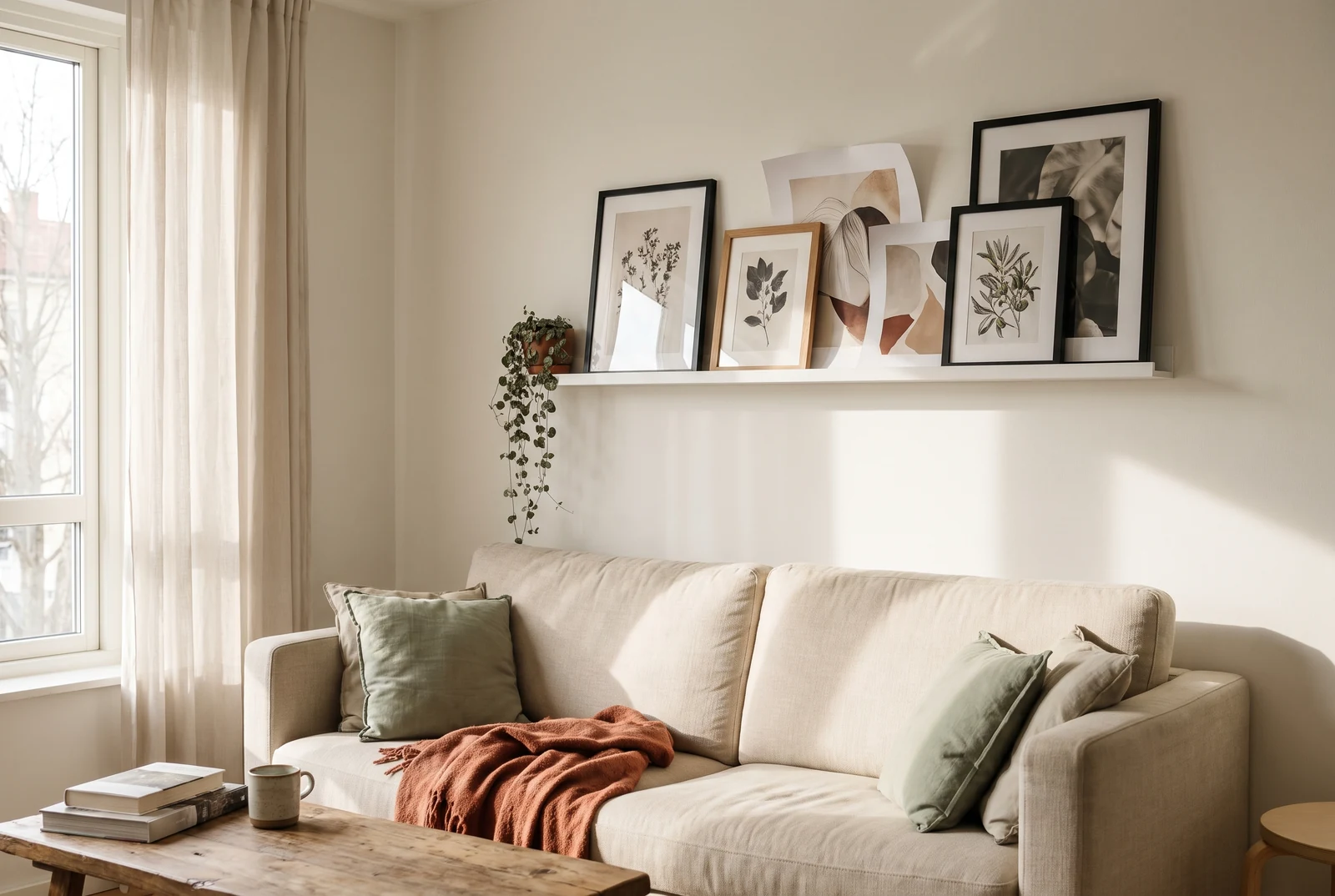
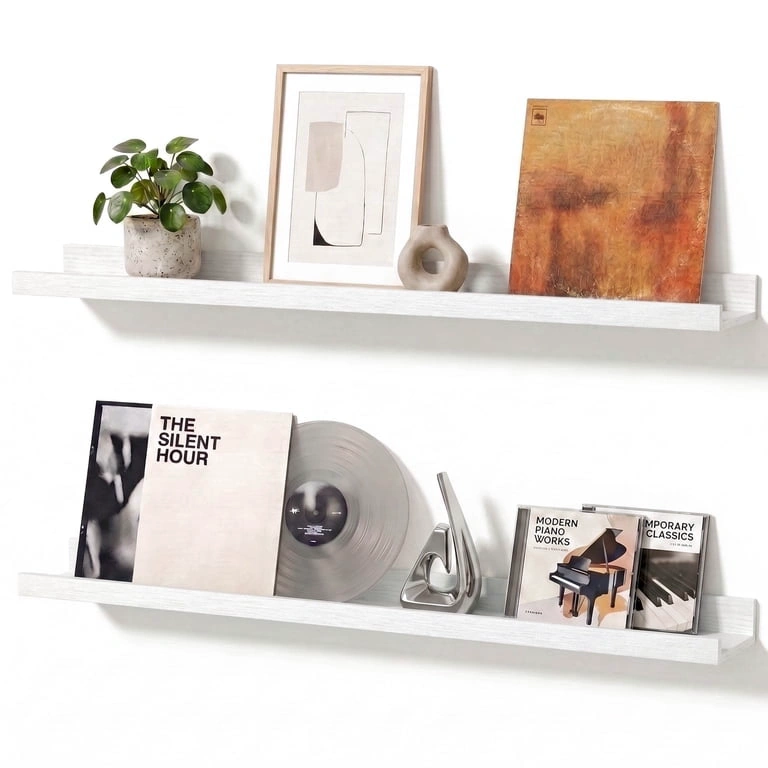
Two anchors per ledge, unlimited rearranging. Two 23.6-inch ledges give about 47 inches of display end to end — enough above a loveseat, short of a full-length sofa, so measure before you assume one pair is enough.
Shop ItHanging it properly matters more than anything else here. A ledge carrying six framed pieces is heavy and lives above head height. Find the studs, or use proper drywall anchors rated well above the load — this is the one place in a rental where we would not improvise.
One pattern runs right through picture-ledge reviews across retailers: the anchors in the box are the weak point. Buyers who report a ledge sagging or pulling away almost always mention using the supplied hardware, while the ones still happy years later mention finding studs or buying better anchors separately. It costs a few dollars, and it is the difference between a shelf and a repair.
Method 2: Small nails, assessed honestly
Renters treat nail holes as a catastrophe, and they’re usually wrong about that. A brad or pin nail leaves a hole a couple of millimetres wide. Filling it takes lightweight spackle, a fingertip, and a minute. Most standard leases treat small, filled nail holes as ordinary wear — though yours is the one that matters, so read it before you start.
Compare that to the alternative that’s supposed to be safer: an adhesive strip that lets go and pulls a coin-sized patch of paint and paper off the wall. Between the two, the nail is the smaller wound and the more predictable one.
Use nails when the wall is textured, when the frame is heavier than about three pounds, or when the piece is going somewhere a fall would matter — above a bed, a TV, or anything with glass in it. For most rentals this is the method that ends up doing the heavy lifting, and it is no less renter friendly than the alternatives.
Method 3: Adhesive strips, used within their real limits
They still earn a place — on smooth painted drywall, for lightweight frames, applied to a wall you’ve actually cleaned first with rubbing alcohol rather than a dusty sleeve.
Two rules from the failure reports worth following. Halve the rating. The number on the packet is a laboratory maximum; buyers who stayed well under it reported far fewer failures than buyers who ran close to the limit. Give it an hour. Press for thirty seconds, remove the frame, press the wall side firmly for another thirty, and wait before loading it. Most “it fell off” stories involve hanging something immediately.
And when the time comes to take them down, pull the tab straight down slowly, parallel to the wall — never out toward you.
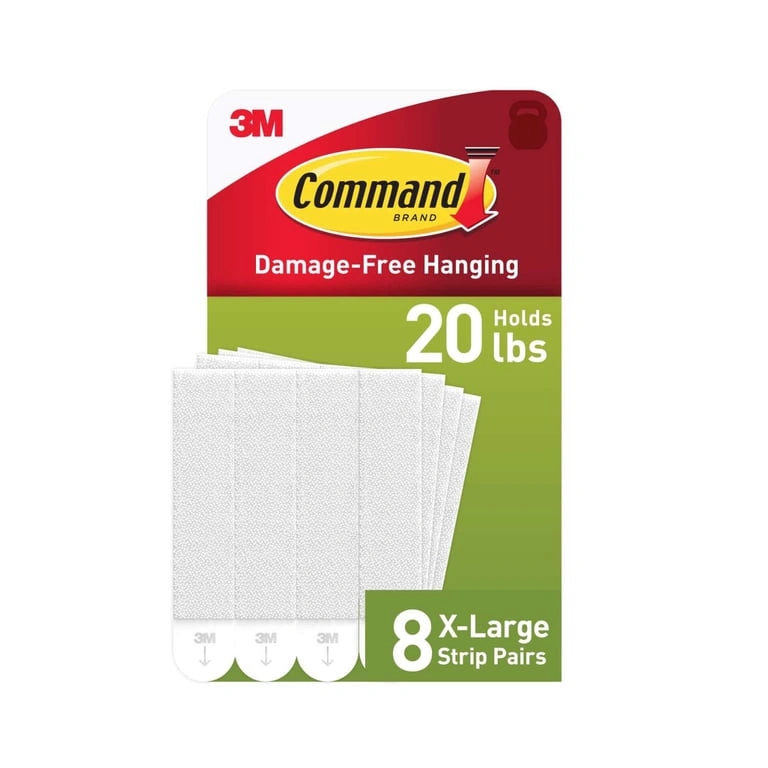
Rated to 20 lb a pair, so weight is rarely the limit — the surface is. 3M specifies mostly smooth surfaces and says no to brick and wallpaper outright; texture fails for the same reason.
Shop ItChoosing frames for a renter friendly gallery wall
The frames matter less than people expect, with one exception: weight. In a rental, a light frame is a frame that gives you every hanging method as an option. Heavy hardwood-and-glass frames rule out adhesive entirely and put real load on any ledge.
Buying a matched set is also the fastest route to a wall that looks composed rather than accumulated. A set gives you consistent finish and proportion for less than the same frames bought individually.
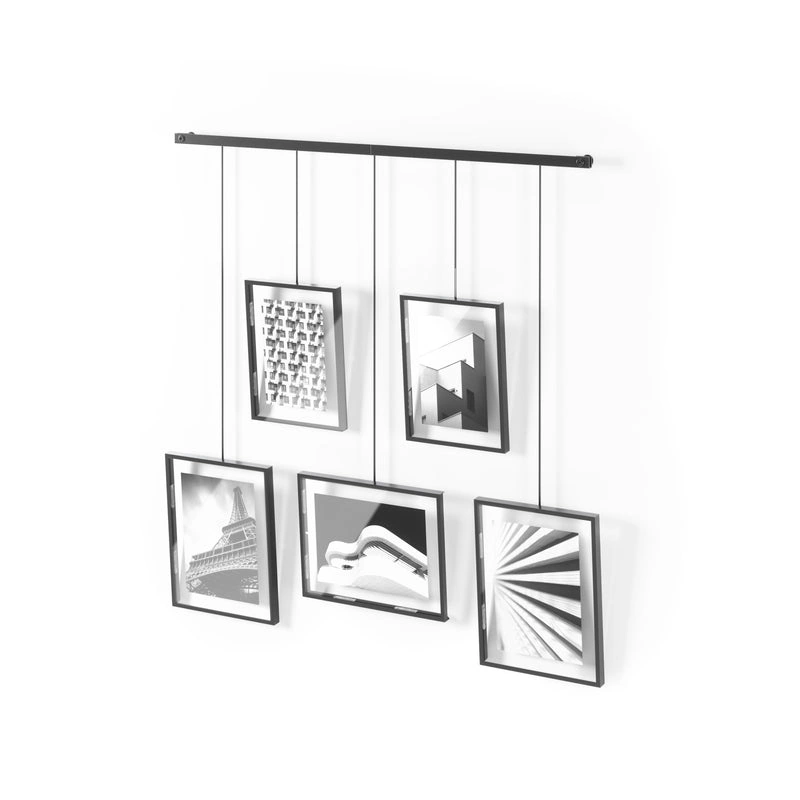
Frames clip onto slim rods, so the whole cluster hangs from very few fixings. Reviewers rate it 4.8/5; the recurring note is that frames can sit a degree or two off-level until you fuss with the stoppers.
Shop It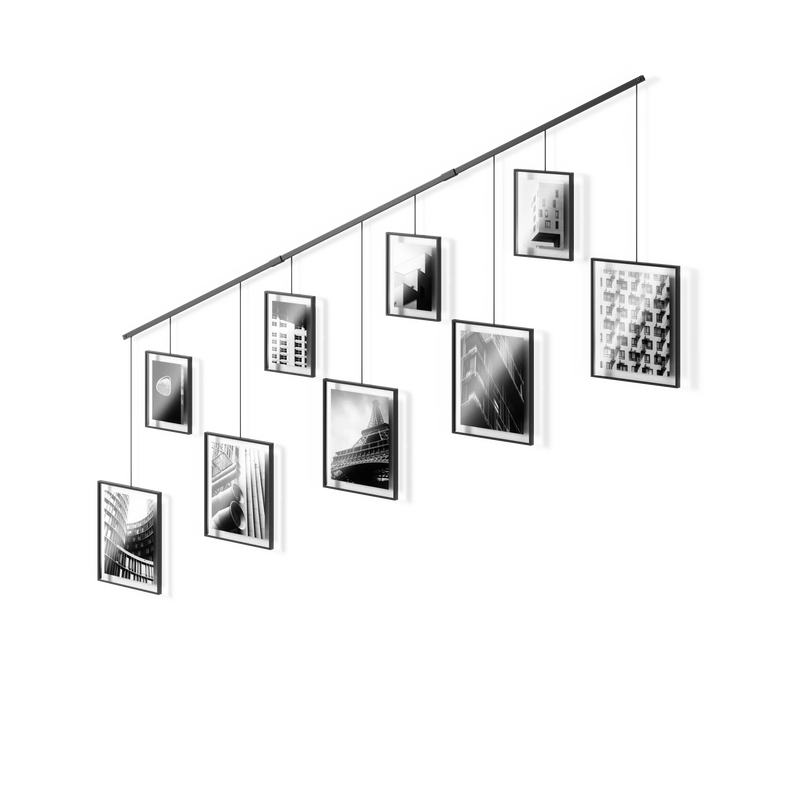
Worth the splurge if you want a full wall in one purchase. Same caveat on levelling, and a few buyers reported a cracked pane in transit — Umbra’s replacements came quickly in every account we read.
Shop It
Five mixed sizes in a natural wood finish — the cheapest way to fill a wall without the frames fighting each other.
Shop ItMixing frame colours is fine — mixing frame weights of wildly different kinds on the same ledge is what makes a wall look unsettled. Pick one finish for the majority and let one or two pieces break the pattern.
Lay it out before you make a single hole
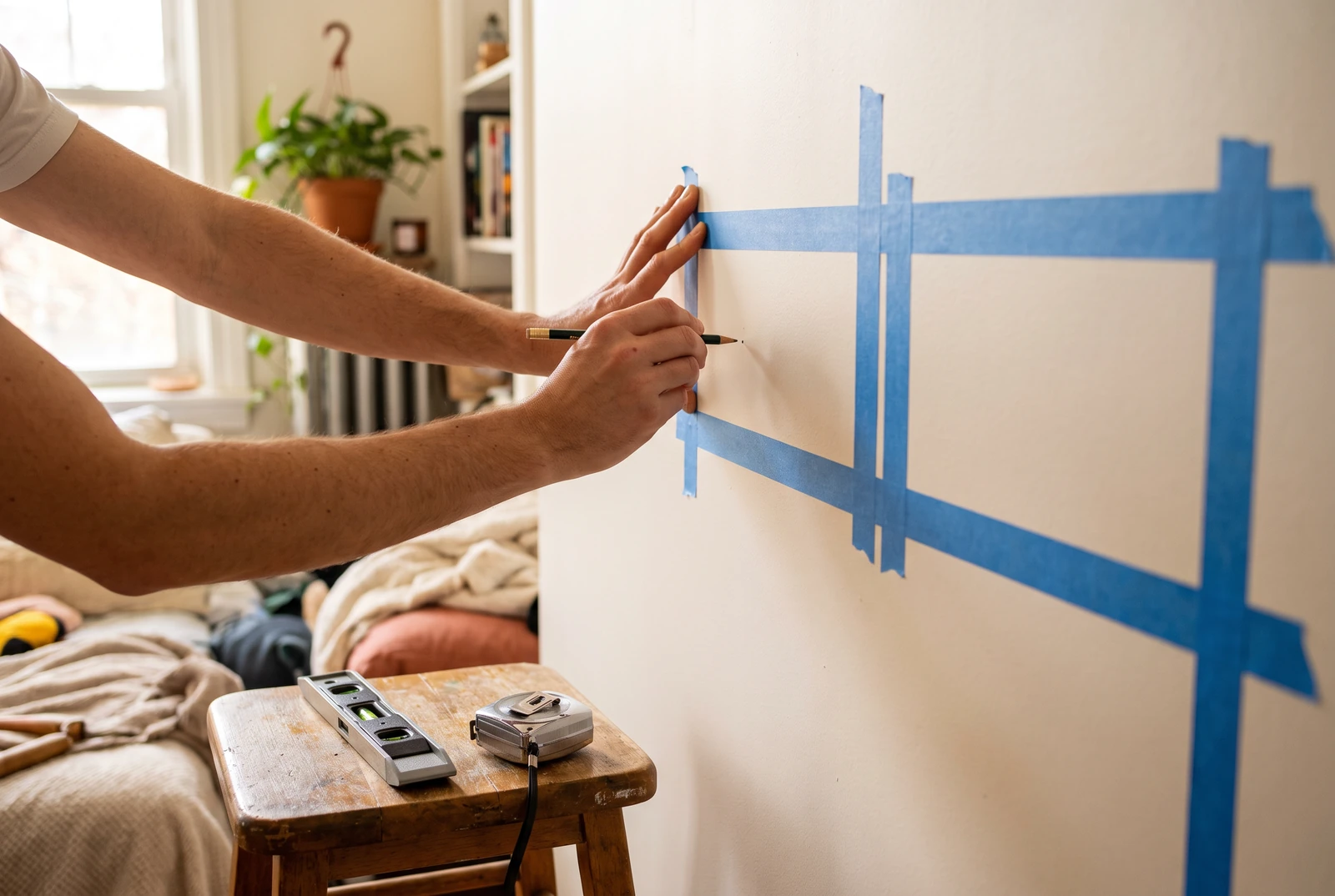
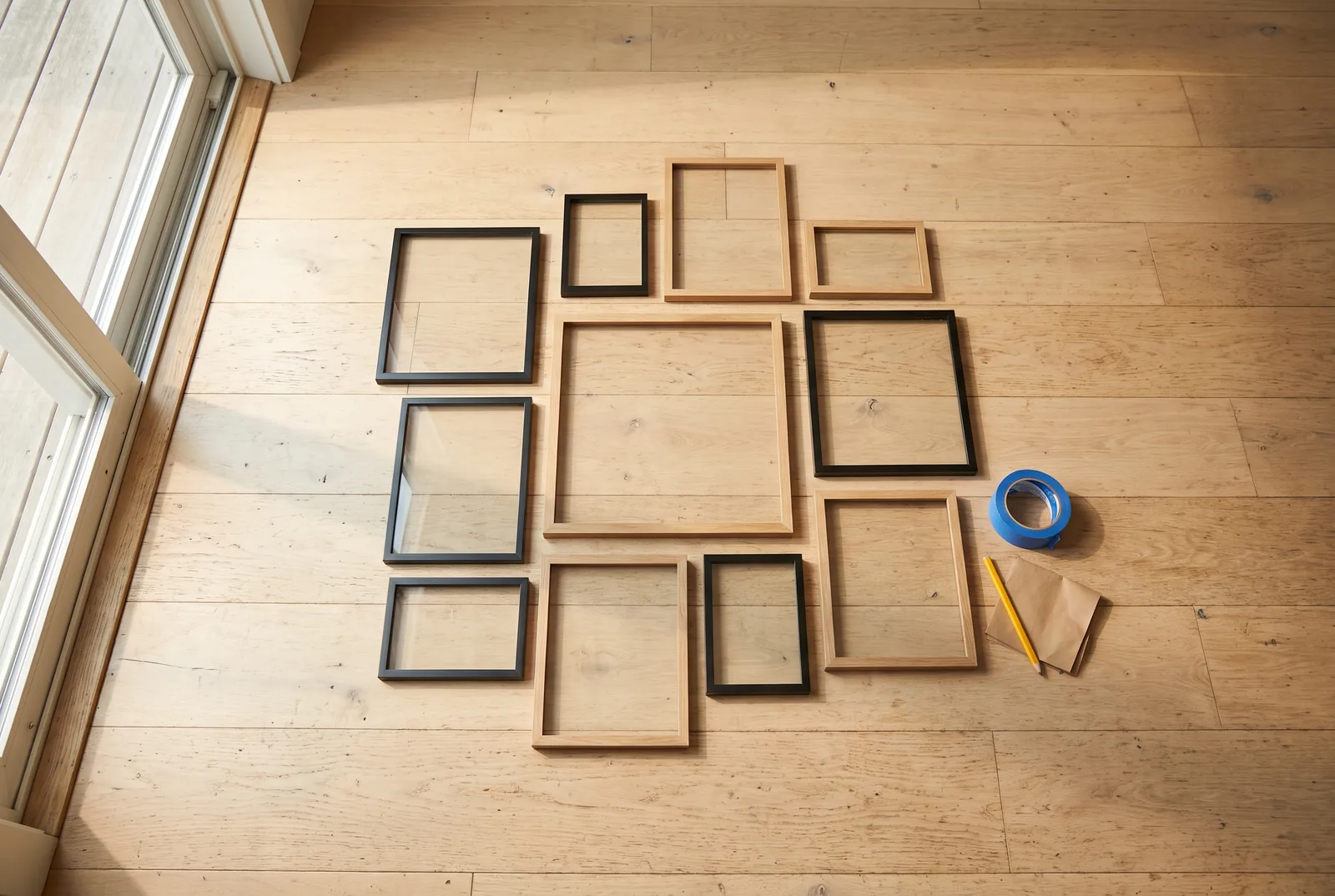
This is the step that separates a renter friendly gallery wall you like from one you resent. Cut paper templates the size of each frame, tape them to the wall, and live with the arrangement for a day or two. Move them at breakfast. Move them again. If you would rather not cut paper, marking each frame’s outline straight onto the wall in painter’s tape works the same way — you lose some sense of visual weight, but it takes five minutes.
Two guidelines that do most of the work: keep two to three inches between frames so the group reads as one object, and centre the arrangement on eye level — around 57 inches to the middle of the group, not to the ceiling or the top of the sofa. Gallery walls hung too high are the most common mistake, and it’s invisible until you photograph the room.
Only when the paper version looks right do you mark and drill. The tape costs a dollar and saves you the holes you’d otherwise make twice.
One thing most gallery wall guides skip: where you hang it matters as much as how. Print and framing specialists consistently warn against direct sunlight, which fades prints over months, and against hanging above a radiator or fireplace, where the heat cycling stresses paper, adhesive and frame joints. If the wall you have in mind is the sunniest in the room, it is worth choosing a different one before you make a single hole.
And if the wall you settle on turns a corner, the rules change enough to be worth reading separately — our corner gallery wall ideas guide covers picking a lead wall, matching the gap across the fold, and when not to wrap a corner at all.
Going further: a backdrop instead of more frames
If the wall itself is the problem — landlord white, badly lit, or textured in a way you’re tired of looking at — a removable backdrop does more than another six frames ever will.
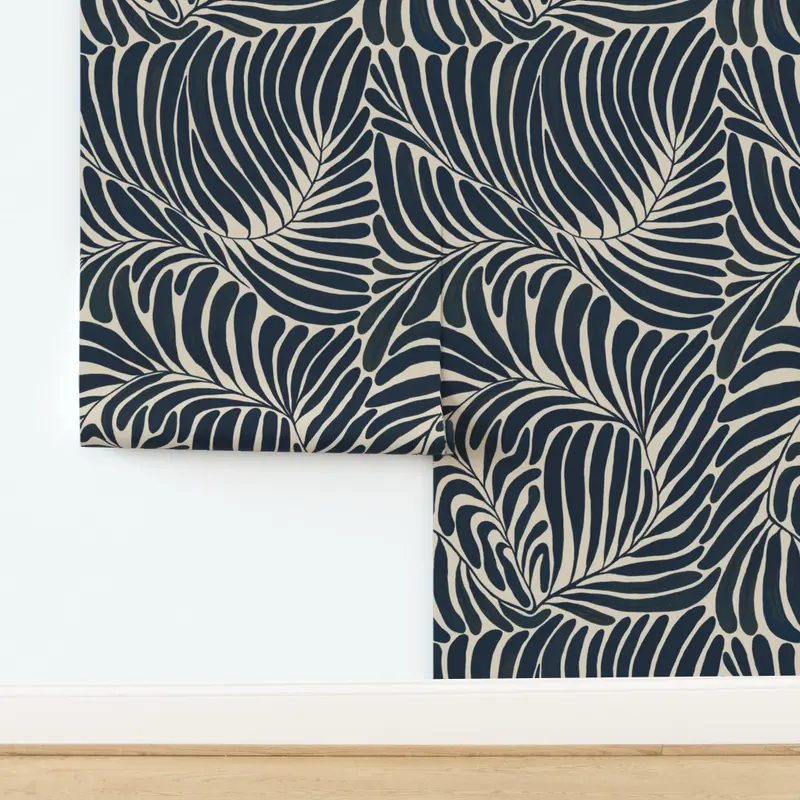
Genuinely repositionable on smooth primed walls, and it’s the one that reviewers report coming off cleanly. The consistent complaint is mild residue along overlapped seams, so trim to butt the panels rather than lapping them.
Shop ItTwo honest cautions. Peel-and-stick needs a smooth wall as much as adhesive strips do — over heavy texture it lifts at the edges. And if you’re testing a colour instead, peel-and-stick paint samples are accurate, but reviewers agree a 12-inch square is too small to judge a whole wall. Buy two or three of the same colour and put them in different corners.
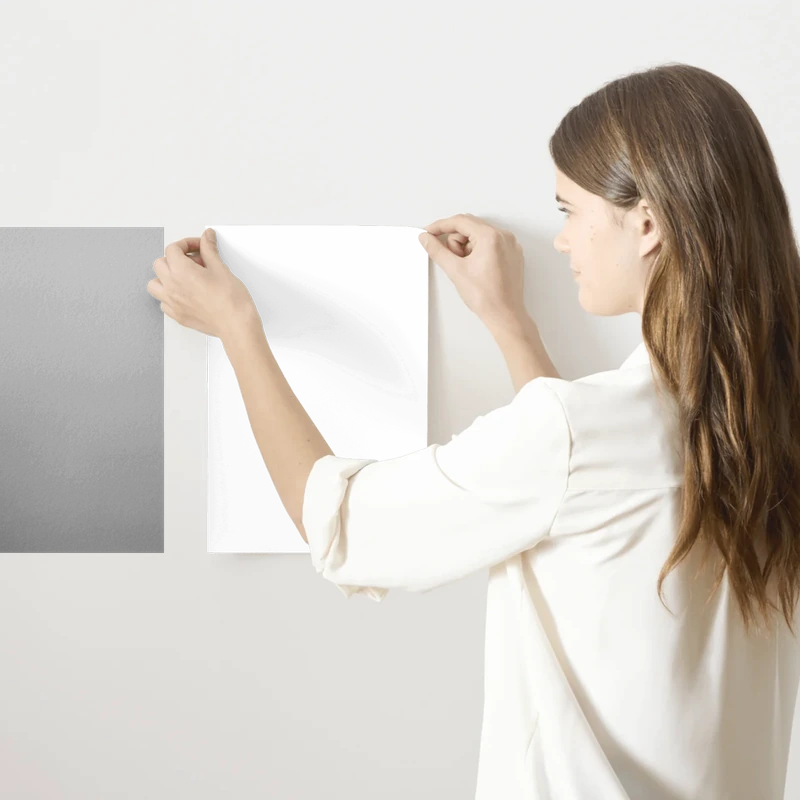
Real paint, two coats, so the colour is accurate in a way paper chips never are. Order multiples of your front-runner rather than one each of six colours.
Shop ItFor the art itself, a couple of larger prints usually beat a dozen small ones. Independent sellers are the value play; the premium print services are worth it selectively rather than across their whole catalogue, which is where the mixed reviews come from.
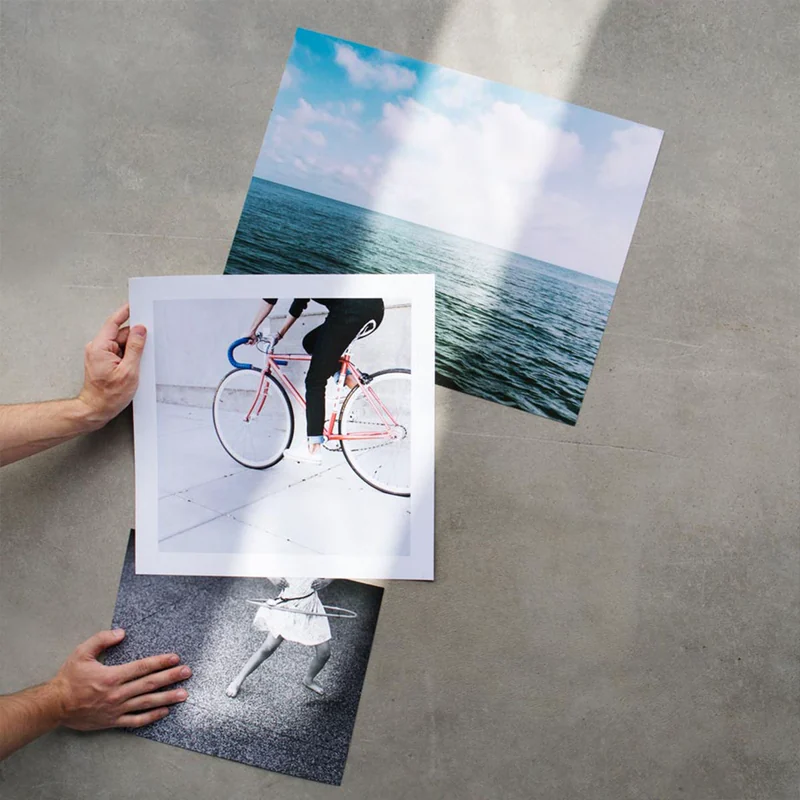
Beautiful matte stock and the splurge slot here. Reviews are strong on materials but uneven on print execution, so order one before committing to a set of six.
Shop It
The cheapest way to fill a large wall well — buy digital files and print them locally at the size your frames actually take.
Shop ItHow We Chose These Picks
We haven’t tested these in a lab — and we won’t pretend we have. For every pick, we read hundreds of verified buyer reviews across retailer sites and forums, looked for the complaints that keep repeating, and dropped anything with a pattern of quality problems.
One product was cut for exactly that reason: large removable wall decals from a well-known brand, where the repeating complaint from buyers was paint pulled off down to the drywall on removal. In an article about protecting a rental deposit, that disqualifies it.
Prices checked 29 August 2026.
Frequently Asked Questions
Will a gallery wall cost me my security deposit?
Small, properly filled nail holes are normally treated as ordinary wear in a standard lease — check yours to be sure. The bigger risk is a failed adhesive strip that takes paint with it, which is a genuine repair rather than a filled hole.
What’s the best renter friendly gallery wall option for textured walls?
A picture ledge or small nails. 3M specifies mostly smooth surfaces and rules out brick outright; texture is the same problem, because the adhesive can’t make flat contact.
How high should a gallery wall be hung?
Centre the whole arrangement at about 57 inches from the floor — eye level for most people. Above a sofa, leave roughly 8–10 inches between the sofa back and the lowest frame.
How much space should I leave between frames?
Two to three inches is the sweet spot. Closer and it reads as clutter; wider and the frames stop looking like a single composition.
Can I use adhesive strips on wallpaper?
No. 3M explicitly advises against wallpaper — most wallpaper is too delicate, and the strip is likely to take it off the wall rather than release from it.
The short version
Feel the wall first. If it’s textured, adhesive is out — use a ledge or small nails, and stop feeling guilty about the nails. If it’s smooth and your frames are light, strips are fine at half their rated weight with an hour to cure.
Then lay it out in paper before you commit to anything. A renter friendly gallery wall isn’t really about the hardware; it’s about making the reversible choice first, so the room can change its mind as often as you do.
If the wall itself is what you want to change rather than what you hang on it, our renter friendly wallpaper guide covers what actually comes off again — and why a freshly painted rental is the worst surface for peel-and-stick.
If you’re building the rest of the room around it, our cozy fall living room decor guide covers the lighting and texture layers that make a gallery wall look intentional instead of lonely.